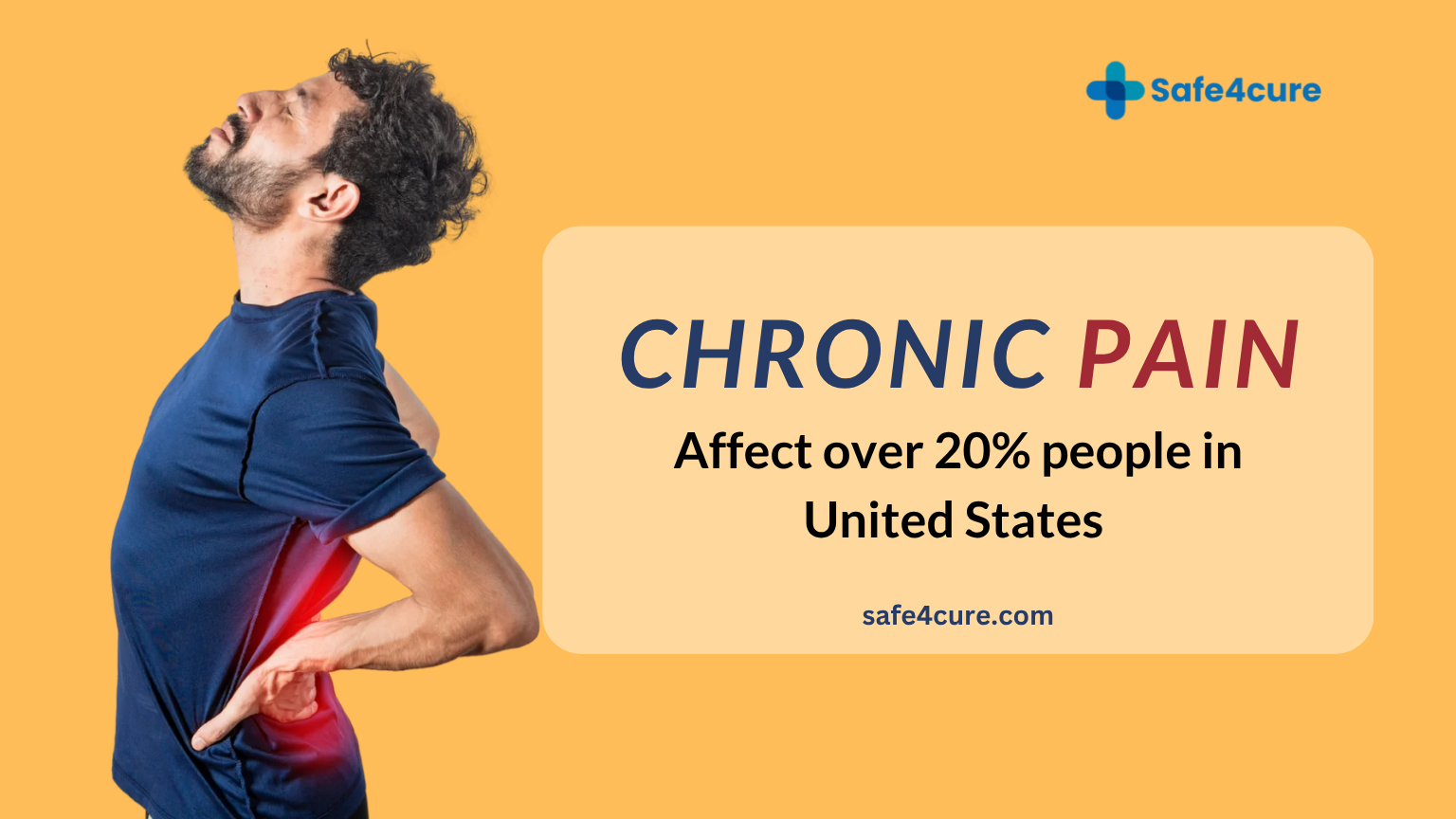
In the United States, chronic pain affects over 50 million adults, often lasting for months or even years. It can involve nearly any part of the body and significantly disrupt daily life interfering with work, relationships, and overall quality of life. Over time, unmanaged pain may lead to emotional challenges like depression, anxiety, and sleep problems.
What Is Chronic Pain?
Chronic pain is a long-lasting and persistent form of pain that continues for more than three months or beyond the usual healing time of an injury or illness. It is different from acute pain, which appears suddenly and goes away once the underlying cause is treated. Chronic pain can range from mild to severe and may interfere with a person’s ability to work, sleep, or enjoy daily life.
Understanding Chronic Pain
Chronic pain is often described as a condition itself rather than just a symptom. It can affect any part of the body, including muscles, joints, nerves, and internal organs. People who suffer from chronic pain may experience it constantly or in episodes that come and go.
Pain signals are normally sent by the nervous system to alert the body to injury. In chronic pain, these signals continue even after the original injury has healed, leading to prolonged sensitivity and discomfort.
Common Causes of Chronic Pain
Chronic pain can have several underlying causes. Sometimes it begins after an injury or infection, while in other cases, the exact cause may not be clear.
Some common sources include:
- Arthritis and joint degeneration – Inflammation in the joints can cause ongoing pain and stiffness.
- Back pain – Often due to disc problems, poor posture, or muscle strain.
- Nerve pain (neuropathic pain) – Caused by nerve damage or dysfunction.
- Fibromyalgia – A condition marked by widespread muscle pain and fatigue.
- Post-surgical or post-injury pain – Pain that lingers after tissue healing.
- Migraine or chronic headaches – Recurrent pain in the head or neck area.
In some cases, chronic pain develops without an identifiable cause, known as idiopathic pain.
How Chronic Pain Affects Your Life
Chronic pain isn’t just physical it can lead to emotional, social, and psychological issues, such as:
- Depression and anxiety
- Sleep disturbances
- Fatigue and exhaustion
- Reduced interest in sex
- Increased drug or alcohol use
- Job loss or strained relationships
- Suicidal thoughts (in severe, untreated cases)
Symptoms of Chronic Pain
In addition to persistent pain, chronic pain often brings other symptoms, including:
- Anxiety and depression
- Irritability or mood swings
- Poor sleep
- Chronic fatigue
- Reduced concentration
- Guilt or social withdrawal
- Dependence on pain medications
Diagnosis: Tests Used to Identify Chronic Ache
Healthcare providers use a combination of physical exams and tests to diagnose the cause of chronic pain:
- Blood tests
- X-rays, MRIs – to detect tissue, bone, or disc problems
- Electromyography (EMG) – measures muscle function
- Nerve conduction studies – check nerve responsiveness
- Reflex and balance testing
- Cerebrospinal fluid or urine tests
Treatment Options for Chronic Pain




The first goal in treating chronic discomfort is to identify and address the underlying cause. If the cause can’t be fully treated, the focus shifts to managing the pain and improving quality of life.
1. Medications
Your doctor may recommend one or more of the following:
- Anticonvulsants (for nerve pain):
Gabapentin 100mg, Gabapentin 400mg - Antidepressants:
Tricyclic antidepressants for mood and nerve pain relief - NSAIDs or acetaminophen:
For inflammation or general pain relief - Corticosteroids:
To reduce inflammation in certain conditions - Muscle relaxants:
Pain O Soma 500mg, Soma 350mg - Topical treatments:
Creams or patches containing analgesics or hot/cold agents - Opioids (used cautiously):
Aspadol ER 200mg, Tapal ER 100mg (Tapentadol-based extended-release tablets).
These are usually reserved for cases where other treatments have failed due to the risk of dependence.
Opioids should be used under strict medical supervision and typically as a last resort.
2. Non-Medication Treatments
Doctors often combine medications with other strategies:
- Physical therapy: Exercises to improve mobility, posture, and strength
- Occupational therapy: Helps you adapt daily tasks to reduce pain
- Psychological therapy: CBT, mindfulness, and counseling for coping
- Acupuncture or nerve blocks: In select cases
- Chiropractic care or massage therapy
Lifestyle Changes to Manage Chronic Pain
Many experts emphasize the “Four Pillars of Chronic Ache Management” key lifestyle changes that can significantly reduce pain over time:
1. Stress Reduction: Chronic stress intensifies pain. Techniques like deep breathing, meditation, journaling, or mindfulness can help.
2. Exercise: Regular low-impact activity, such as walking, light swimming, or yoga, boosts endorphins and reduces stiffness and fatigue.
3. Diet: An anti-inflammatory diet can support healing and reduce pain. Limit red meat, refined carbs, and sugar. Focus on whole grains, leafy greens, fatty fish, and berries.
4. Sleep: Lack of sleep worsens pain. Aim for 7–9 hours of quality sleep by setting a routine, limiting caffeine, and avoiding screens before bed.
Final Thoughts
Chronic Ache is complex and life-altering but with a comprehensive, personalized treatment plan, it’s manageable. A combination of medication, therapy, and lifestyle changes—guided by a trusted healthcare provider can greatly improve comfort and restore quality of life.
FAQs on Chronic Pain
Chronic pain is long-term pain that lasts for more than three months, even after the initial injury or illness has healed. It can occur continuously or in episodes and often affects daily activities, sleep, and emotional health.
Acute pain is short-term and usually disappears once the body heals from an injury or illness. Chronic pain, on the other hand, continues beyond normal recovery time and may persist even without an identifiable cause.
Chronic pain can result from various conditions such as arthritis, nerve damage, fibromyalgia, back injuries, post-surgical complications, or chronic inflammation. In some cases, the cause may be unknown (idiopathic pain).
People with chronic pain may experience persistent aching, throbbing, burning, or sharp sensations. Other symptoms include stiffness, fatigue, sleep problems, reduced mobility, mood changes, and difficulty concentrating.
Yes. Stress increases muscle tension and triggers certain hormones that can intensify pain perception. Managing stress through relaxation techniques, meditation, and counseling can help reduce pain levels.