
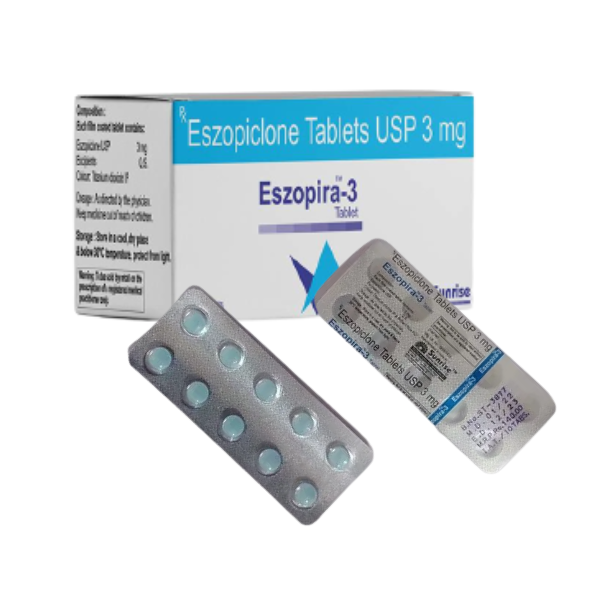
Description
Eszopira 3 mg is a prescription medication commonly prescribed to manage insomnia and other sleep-related issues. As a member of the non-benzodiazepine hypnotic class, it is known for its effectiveness in promoting sleep onset and maintaining a full night’s rest. This article explores the uses, benefits, mechanism of action, dosage, side effects, and precautions associated with Eszopira 3 mg, offering a detailed overview for patients and caregivers.
What is Eszopira 3 mg?
Eszopira 3 mg contains eszopiclone, an active ingredient that helps individuals fall asleep faster and stay asleep longer. Unlike traditional sleep medications, Eszopira works selectively on certain receptors in the brain, providing targeted relief without some of the broader sedative effects associated with older treatments.
This medication is usually prescribed for adults with difficulty falling asleep or staying asleep, and it is designed for short-term or long-term use under medical supervision. It is particularly popular in the UK and other countries for its efficacy in improving sleep quality and reducing the anxiety and fatigue associated with sleep deprivation.
How Does Eszopira 3 mg Work?
Eszopira 3 mg acts on the GABA (gamma-aminobutyric acid) receptors in the brain. GABA is a neurotransmitter that inhibits nerve activity, producing a calming effect on the nervous system. By enhancing GABA activity, Eszopira helps induce sleep more quickly and maintain deeper sleep cycles.
Unlike traditional benzodiazepines, which affect a broad range of GABA receptors, Eszopira selectively targets those responsible for sleep regulation. This selective action reduces the risk of dependency and minimizes daytime drowsiness in many patients.
Uses of Eszopira 3 mg
Eszopira 3 mg is primarily used for:
- Insomnia Treatment: For patients who struggle with falling asleep or staying asleep, Eszopira provides an effective solution.
- Improved Sleep Quality: It helps individuals achieve longer, uninterrupted sleep, which improves overall well-being.
- Support for Sleep Disorders: It is sometimes prescribed for sleep disturbances caused by stress, anxiety, or certain medical conditions.
- Short-Term and Long-Term Management: Depending on the patient’s needs and under medical supervision, Eszopira can be used for both short-term relief and longer-term treatment of chronic sleep problems.
Substitutes and Strengths
Dosage and Administration
Eszopira 3 mg is available in tablet form and is usually taken once daily, right before bedtime. Here are some key points regarding dosage and administration:
- Start with the lowest effective dose: Typically, doctors begin treatment at a lower dose (e.g., 1 mg or 2 mg) and adjust to 3 mg based on the patient’s response.
- Take on an empty stomach: Food can slow down the absorption of Eszopira, so it is best taken immediately before going to bed.
- Avoid alcohol: Alcohol can increase the sedative effects and impair sleep quality.
- Do not crush or chew tablets: Swallow the tablet whole to ensure proper absorption and effectiveness.
- Consistency: Take Eszopira at the same time every night to maintain a stable sleep pattern.
Always follow your healthcare provider’s instructions and never adjust your dose without consulting them. Misuse can lead to dependency, side effects, or reduced efficacy.
Benefits of Eszopira 3 mg
Eszopira 3 mg offers several notable benefits for patients struggling with sleep disorders:
- Faster Sleep Onset: Many users report falling asleep significantly faster compared to untreated insomnia.
- Longer Sleep Duration: It helps reduce nighttime awakenings, allowing for a more restorative sleep.
- Minimal Morning Grogginess: Compared to some other sleep medications, Eszopira is designed to minimize residual drowsiness in the morning.
- Improved Daytime Functioning: Better sleep contributes to improved mood, concentration, and overall daytime alertness.
- Selective Action: Targeted interaction with GABA receptors reduces the risk of side effects commonly seen with older sedatives.
Side Effects of Eszopira 3 mg
Like all medications, Eszopira 3 mg may cause side effects. While many patients tolerate it well, some may experience:
- Common Side Effects: Dizziness, headache, dry mouth, and mild gastrointestinal issues.
- Sleep-Related Effects: Unusual dreams, daytime drowsiness, and sleepwalking in rare cases.
- Serious Side Effects (Rare): Allergic reactions, memory problems, confusion, or behavioral changes. Seek medical attention immediately if any of these occur.
- Dependence and Withdrawal: Prolonged use can lead to tolerance or dependence. Abrupt discontinuation may cause rebound insomnia.
It is essential to discuss your medical history with your doctor, including liver or kidney issues, history of depression, or any substance abuse problems, as these can affect Eszopira’s safety and effectiveness.
Precautions and Warnings
Before using Eszopira 3 mg, consider the following precautions:
- Pregnancy and Breastfeeding: Consult your doctor if you are pregnant, planning to become pregnant, or breastfeeding.
- Driving and Operating Machinery: Avoid driving or operating heavy machinery after taking Eszopira due to potential drowsiness.
- Other Medications: Certain medications can interact with Eszopira, including other sedatives, antidepressants, and alcohol. Inform your healthcare provider about all medications and supplements you take.
- Medical Conditions: Conditions like sleep apnea, depression, or a history of substance abuse require special caution.
Lifestyle Tips to Maximize Effectiveness
Eszopira 3 mg works best when combined with healthy sleep habits:
- Maintain a regular sleep schedule: Go to bed and wake up at the same time daily.
- Create a sleep-friendly environment: Keep your bedroom dark, quiet, and cool.
- Limit caffeine and heavy meals before bedtime: These can interfere with sleep quality.
- Exercise regularly: Physical activity promotes better sleep but avoid intense workouts right before bed.
- Relaxation techniques: Meditation, deep breathing, or gentle stretching can enhance the effectiveness of Eszopira.
Conclusion
Eszopira 3 mg is a reliable and effective option for adults struggling with insomnia and sleep disturbances. By targeting specific brain receptors, it promotes faster sleep onset, improves sleep quality, and supports better daytime functioning. While generally safe under medical supervision, it is essential to follow prescribed dosages, maintain healthy sleep habits, and communicate with your healthcare provider about any concerns or side effects.
With proper use, Eszopira 3 mg can transform sleep patterns, reduce fatigue, and improve overall quality of life for individuals facing chronic sleep difficulties.







Reviews
There are no reviews yet.