
Description
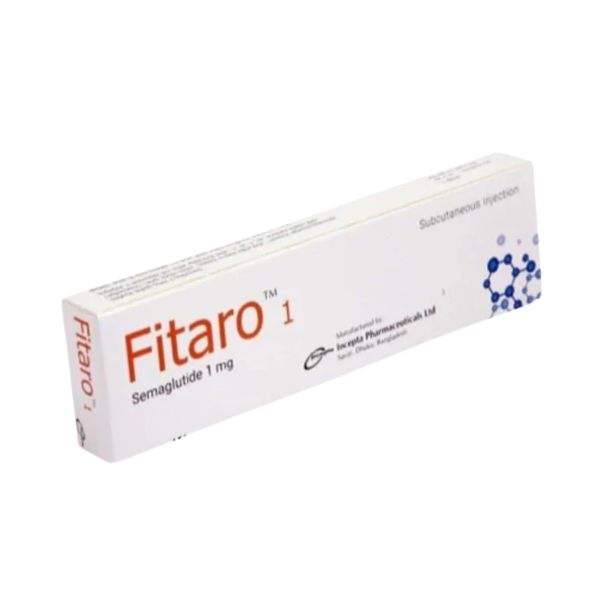
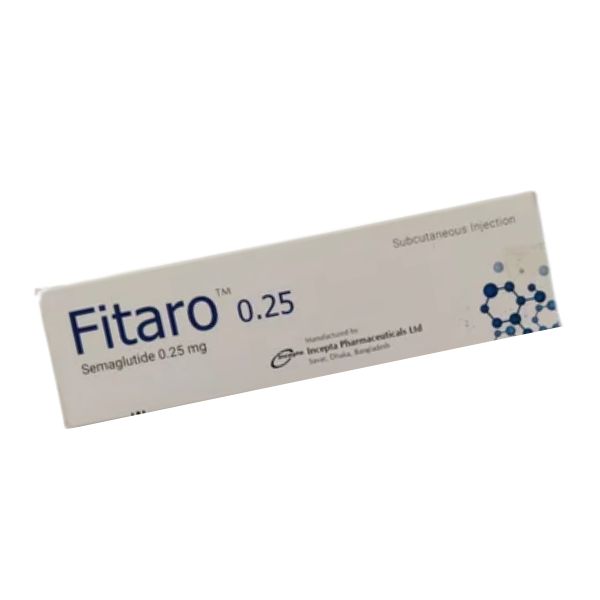
Fitaro 1 mg is a prescription injectable medication containing semaglutide, a glucagon-like peptide-1 (GLP-1) receptor agonist. It is primarily used for the management of type 2 diabetes mellitus in adults and is also widely prescribed as part of a medically supervised weight management plan. Fitaro 1 mg is considered a maintenance dose, typically introduced after patients have successfully tolerated lower doses such as 0.25 mg and 0.5 mg.
What Is Fitaro 1 mg Used For?
Fitaro 1 mg is used to improve blood sugar control in adults with type 2 diabetes when diet and exercise alone are not sufficient. It helps lower fasting blood glucose levels, reduces post-meal sugar spikes, and supports long-term glycemic stability. In addition to diabetes control, Fitaro 1 mg is often associated with significant appetite reduction and weight loss, making it beneficial for overweight or obese individuals with metabolic conditions.
How Fitaro 1 mg Works in the Body
The active ingredient, semaglutide, mimics the action of the natural GLP-1 hormone released by the intestines after eating. It stimulates the pancreas to release insulin only when blood sugar levels are elevated, helping to prevent sudden drops in glucose. At the same time, it suppresses the release of glucagon, a hormone responsible for increasing glucose production by the liver. Fitaro 1 mg also slows gastric emptying, which helps control post-meal blood sugar levels and promotes longer-lasting fullness.
Benefits of Fitaro 1 mg
One of the main advantages of Fitaro 1 mg is its ability to provide strong blood sugar control with a low risk of hypoglycemia when used alone. Many patients experience improved HbA1c levels and better daily glucose stability. Another key benefit is weight loss, which occurs due to reduced appetite, slower digestion, and improved metabolic efficiency. Additional benefits may include better insulin sensitivity, reduced food cravings, and improved overall metabolic health.
Weight Loss Support with Fitaro 1 mg
Fitaro 1 mg plays an important role in appetite regulation by acting on hunger centers in the brain. This leads to reduced portion sizes, fewer cravings, and improved control over eating behavior. When combined with a balanced diet and regular physical activity, Fitaro 1 mg can support steady and sustainable weight loss, which further enhances blood sugar control and reduces the risk of diabetes-related complications.
Related Products
Common Side Effects of Fitaro 1 mg
The most common side effects of Fitaro 1 mg are gastrointestinal and usually occur during the early stages of treatment or after dose increases. These may include nausea, vomiting, diarrhea, constipation, bloating, abdominal discomfort, and decreased appetite. In most cases, these side effects are mild to moderate and gradually improve as the body adapts to the medication.
Serious Side Effects and Safety Warnings
Although rare, serious side effects such as pancreatitis may occur and can present as severe, persistent abdominal pain that may radiate to the back. Fitaro 1 mg may also increase the risk of gallbladder problems, including gallstones. Dehydration due to vomiting or diarrhea can affect kidney function, particularly in patients with pre-existing kidney disease. Hypoglycemia is uncommon unless Fitaro is used alongside insulin or sulfonylurea medications.
Dosage and Administration of Fitaro 1 mg
Fitaro 1 mg is administered as a once-weekly subcutaneous injection. It can be injected into the abdomen, thigh, or upper arm, and injection sites should be rotated to reduce skin irritation. The injection can be taken at any time of day, with or without meals, but it should be administered on the same day each week. Fitaro 1 mg is usually prescribed after patients have completed dose escalation from lower strengths to minimize gastrointestinal side effects.
Who Should Avoid Fitaro 1 mg
Fitaro 1 mg is not suitable for individuals with type 1 diabetes or diabetic ketoacidosis. It should not be used by patients with a personal or family history of medullary thyroid carcinoma or multiple endocrine neoplasia syndrome type 2 (MEN 2). Caution is advised in patients with a history of pancreatitis, gallbladder disease, or severe gastrointestinal disorders. Pregnant or breastfeeding women should only use this medication if advised by a healthcare professional.
Drug Interactions and Precautions
Because semaglutide slows gastric emptying, it may affect the absorption of certain oral medications. Patients taking medicines that require precise absorption timing should consult their healthcare provider. It is important to inform the doctor about all prescription drugs, over-the-counter medicines, and supplements being used to avoid potential interactions.
Storage Instructions for Fitaro 1 mg
Fitaro 1 mg should be stored in a refrigerator between 2°C and 8°C. It should not be frozen and must be kept away from direct heat and sunlight. Once opened, follow the manufacturer’s guidelines regarding storage duration and conditions to maintain effectiveness.





Reviews
There are no reviews yet.