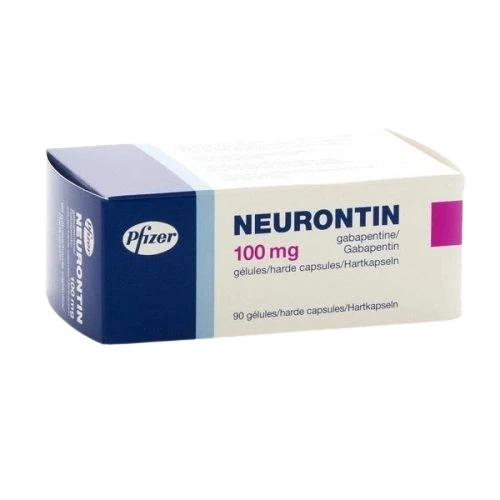
Description
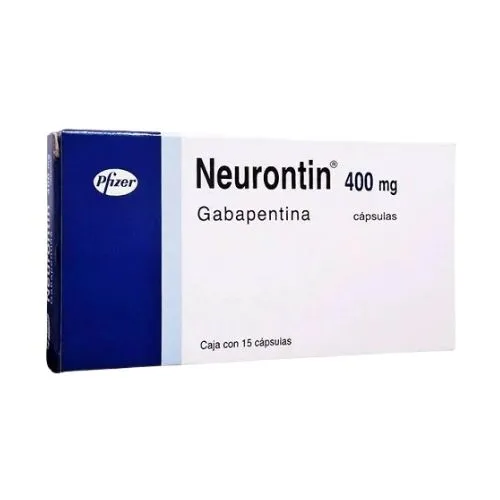
Neurontin 100 mg is a commonly prescribed medication that doctors use to manage chronic nerve pain and control seizures. It belongs to the anticonvulsant class and contains gabapentin as its active ingredient. Gabapentin directly calms overactive nerve signals in the brain and nervous system; therefore, it reduces neuropathic pain and lowers the risk of seizure episodes. As a result, healthcare providers frequently recommend Neurontin 100 mg for patients who experience nerve-related pain or seizure disorders. Moreover, the medication comes in both capsule and tablet forms, which makes daily administration simple and convenient.
What is the Meaning of Neurontin 100 mg?
Neurontin 100 mg refers to a 100 mg strength of gabapentin, which experts classify as an anti-epileptic drug. Doctors often choose this lower dose to initiate treatment, especially when they treat elderly patients or individuals with reduced kidney function or medication sensitivity. In addition, clinicians use this strength when they need gradual dose titration. Gabapentin acts on the nervous system and stabilizes abnormal nerve activity; consequently, it decreases the intensity of nerve-related pain and reduces seizure frequency.

Uses of Neurontin 100 mg
Primarily, doctors prescribe Neurontin 100 mg to manage chronic nerve pain caused by diabetic neuropathy, postherpetic neuralgia, or spinal cord injuries. Furthermore, it functions as an anticonvulsant and helps control partial seizures in patients with epilepsy. Beyond these approved indications, physicians sometimes prescribe Neurontin 100mg off-label for conditions such as restless leg syndrome, anxiety disorders, or other chronic pain syndromes. Because gabapentin calms overactive nerve signals, it improves overall comfort and enhances quality of life for many patients.
Benefits of Neurontin 100 mg
- It effectively reduces chronic nerve pain and associated discomfort.
- It helps prevent partial seizures in patients with epilepsy.
- Additionally, it improves sleep quality in individuals affected by neuropathic pain.
- Since generic versions are widely available, it provides a cost-effective alternative to branded medications.
- Most patients tolerate it well when they follow the prescribed dosage.
- Finally, flexible dosing allows doctors to adjust treatment according to individual patient needs.
Side Effects
- Dizziness or drowsiness
- Fatigue or general tiredness
- Swelling in the hands or feet
- Nausea or vomiting
- Headache or mild tremors
- Blurred vision or coordination problems
- Weight gain during long-term use
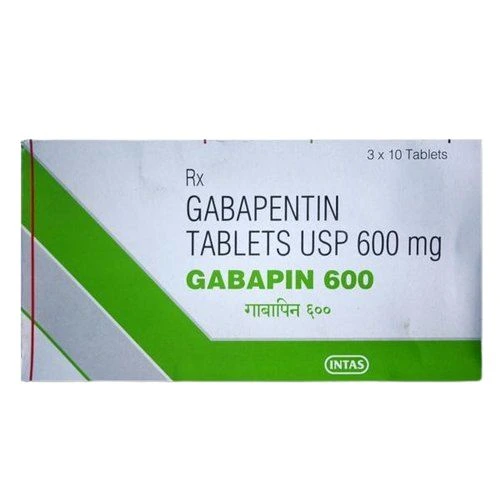
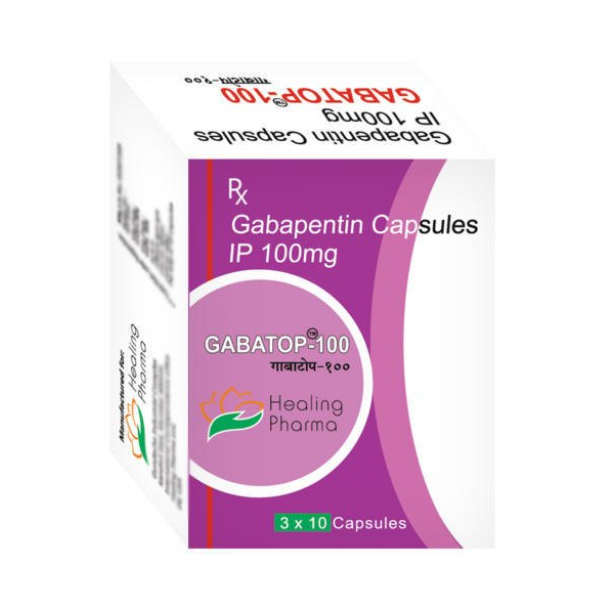
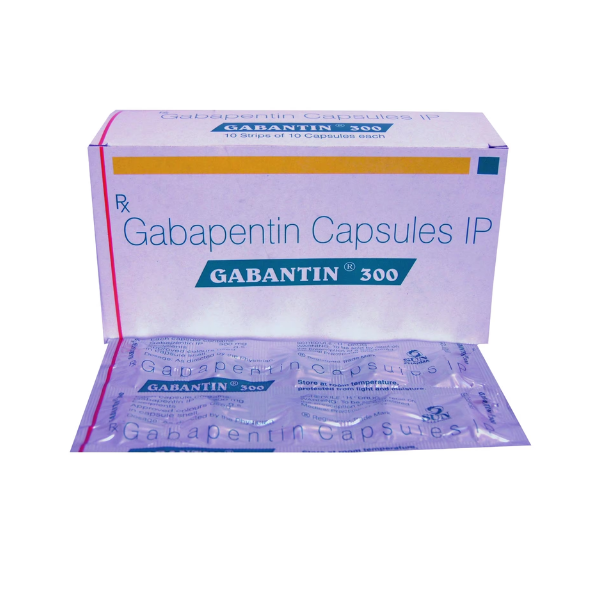
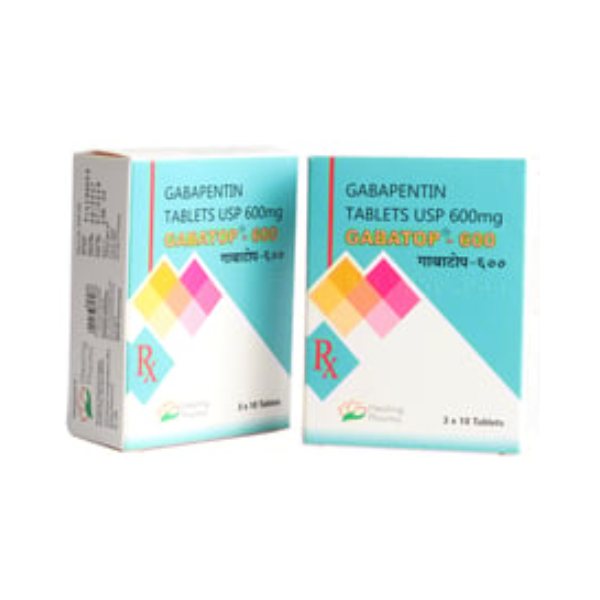
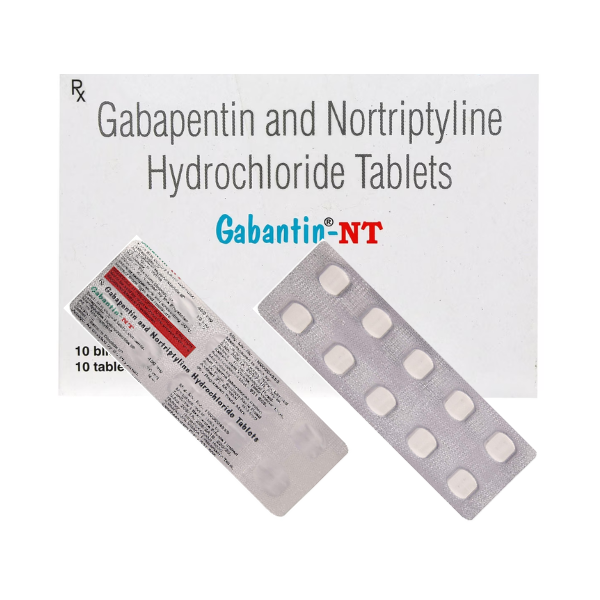
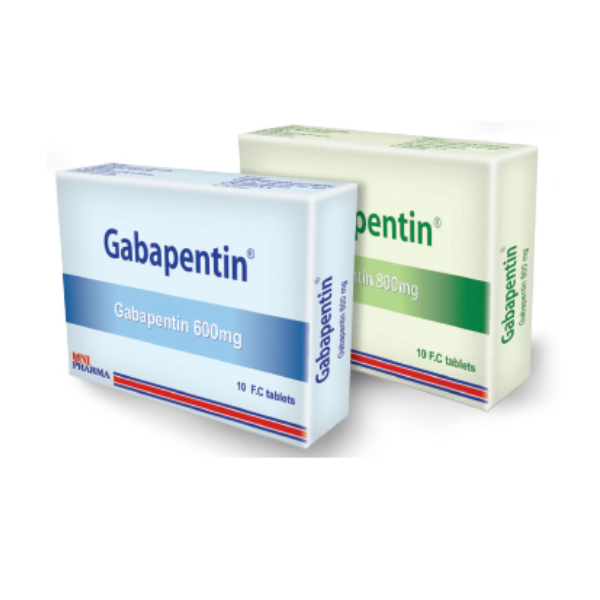
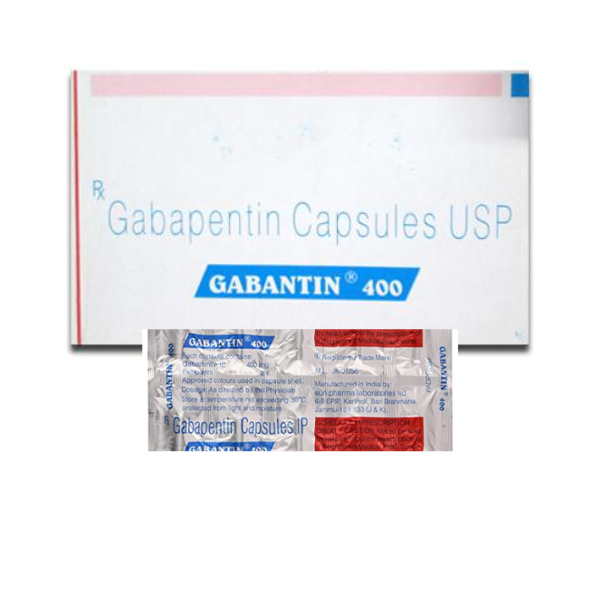
Substitute
Safety Considerations
Patients must use Neurontin 100 mg under medical supervision. For instance, individuals with kidney impairment may require dose adjustments, since the body eliminates gabapentin through the kidneys. Additionally, patients should never stop the medication abruptly, because sudden discontinuation can trigger seizure recurrence. Instead, doctors gradually reduce the dose when necessary. Patients should also avoid alcohol, as it increases drowsiness and impairs coordination. Likewise, pregnant or breastfeeding women should consult their doctor before starting treatment.
Mechanism of Action
Gabapentin works by modifying how nerves transmit signals to the brain. Specifically, it binds to voltage-gated calcium channels on nerve cells and reduces their excitability. Consequently, it decreases the transmission of pain signals. In patients with epilepsy, gabapentin stabilizes abnormal electrical activity in the brain; therefore, it helps prevent uncontrolled nerve firing that leads to seizures.
Drug Interactions
Neurontin 100 mg can interact with other medications, so patients must inform their healthcare provider about all current treatments. For example, combining gabapentin with central nervous system depressants, such as opioids or benzodiazepines, can significantly increase sedation and dizziness. Similarly, antacids may reduce gabapentin absorption if patients take them simultaneously. To avoid complications, doctors often recommend spacing doses appropriately.
Storage
Patients should store Neurontin 100 mg tablets or capsules in a cool, dry place away from direct sunlight and moisture. Additionally, they must keep the medication out of reach of children and pets. Because humidity can reduce drug effectiveness, patients should avoid storing it in bathrooms or near sinks.
Dosage
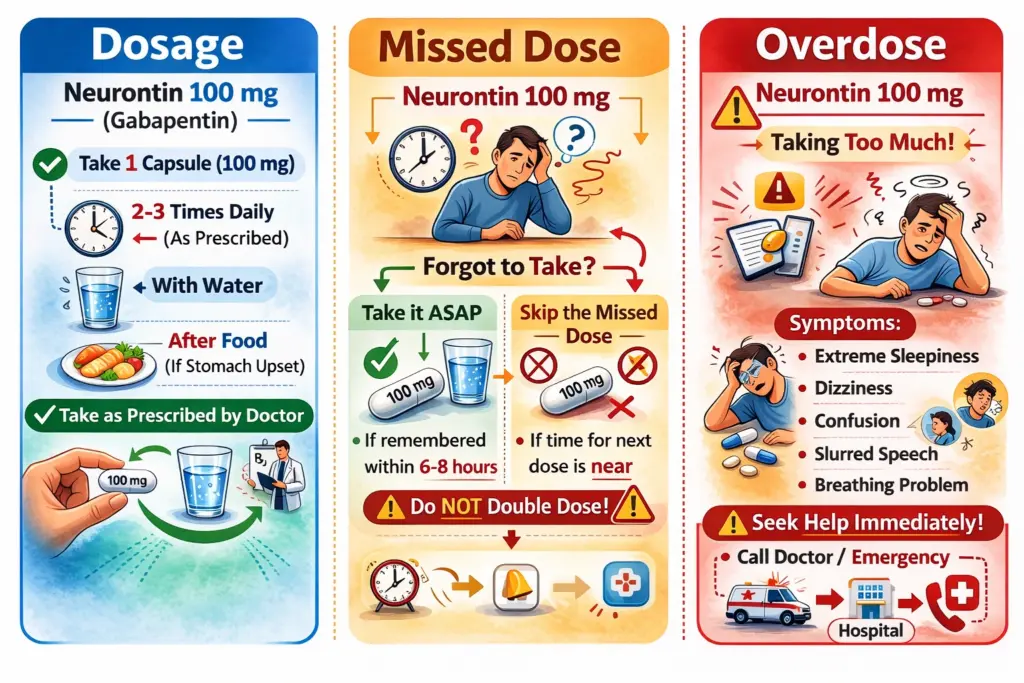
The dosage of Neurontin 100 mg varies depending on the condition being treated and individual patient needs. For chronic nerve pain, doctors typically start with a low dose and gradually increase to achieve optimal relief. In epilepsy, dosing schedules are carefully adjusted to prevent seizures while minimizing side effects. It is important to follow the prescribed regimen and not self-adjust the dosage.
Missed Dose
If a patient misses a dose, they should take it as soon as they remember. However, if the next scheduled dose approaches, they should skip the missed dose and continue with their regular schedule. Importantly, patients must not take two doses at the same time, as this practice increases the risk of side effects.
Overdose
Taking more than the prescribed amount can lead to severe drowsiness, dizziness, slurred speech, or breathing difficulties. In such situations, patients should seek immediate medical attention or contact a poison control centre without delay.
Precautions
Before starting Neurontin 100 mg, patients should understand certain precautions. For instance, they should avoid driving or operating heavy machinery until they know how the medication affects them. Since gabapentin often causes drowsiness or impaired coordination, caution remains essential. Moreover, doctors may recommend periodic kidney function tests for long-term users. Above all, patients should maintain regular follow-ups with their healthcare provider to ensure safe and effective treatment.