Description
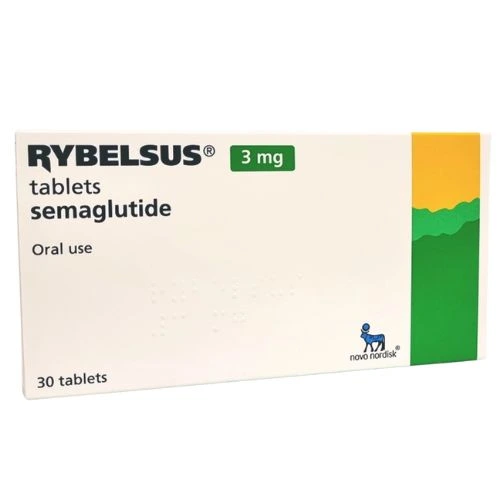
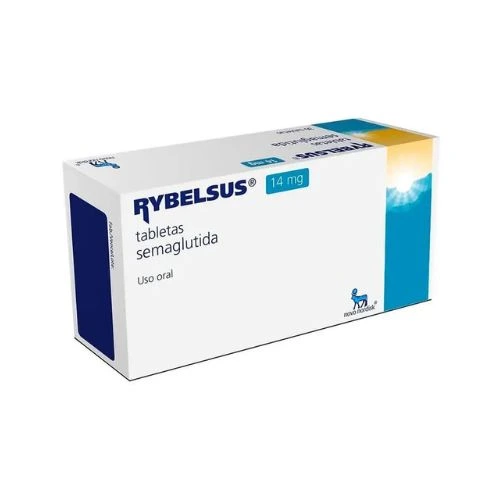
Semaglutide Rybelsus 14 mg is an oral prescription medication used for the management of type 2 diabetes mellitus in adults. It belongs to a class of medicines known as glucagon-like peptide-1 (GLP-1) receptor agonists. Rybelsus is the first oral formulation of semaglutide, providing an effective alternative to injectable GLP-1 therapies. The 14 mg strength is the highest approved dose and is prescribed when lower doses fail to provide adequate blood sugar control.
How Does Rybelsus 14 mg Work?
The active ingredient, semaglutide, mimics the natural GLP-1 hormone released after food intake. This hormone helps regulate blood glucose levels by stimulating insulin release when blood sugar is high. Rybelsus 14 mg also suppresses glucagon secretion, a hormone responsible for increasing glucose production in the liver. Together, these actions help maintain stable blood sugar levels throughout the day.
Effect on Digestion and Weight Management
Semaglutide Rybelsus 14 mg slows gastric emptying, allowing food to move more slowly through the digestive system. This reduces post-meal blood sugar spikes and promotes a feeling of fullness. As a result, many patients experience reduced appetite and gradual weight loss. Weight reduction further improves insulin sensitivity and overall metabolic health in individuals with type 2 diabetes.
Who Should Take Rybelsus 14 mg?
Rybelsus 14 mg is prescribed for adults with type 2 diabetes who have not achieved adequate glycemic control with lower doses of Rybelsus or other oral antidiabetic medications. Treatment typically starts with a 3 mg dose, followed by an increase to 7 mg, and then to 14 mg if needed. This medication is not approved for type 1 diabetes or diabetic ketoacidosis.
Advantages of Oral Semaglutide
One of the biggest benefits of semaglutide Rybelsus 14 mg is its oral tablet form. Unlike injectable GLP-1 medications, Rybelsus eliminates the need for needles, improving comfort and treatment adherence. Its once-daily dosing makes it easy to include in daily routines. In addition to lowering HbA1c levels, Rybelsus 14 mg may help improve cardiovascular risk factors and support weight management.
How to Take Rybelsus 14 mg Correctly
For best results, Rybelsus 14 mg should be taken once daily in the morning on an empty stomach with no more than 120 ml (4 ounces) of plain water. Patients should wait at least 30 minutes before eating, drinking, or taking other oral medications. The tablet must be swallowed whole and should not be crushed, split, or chewed, as improper intake can reduce absorption.
Related Products
Common Side Effects of Rybelsus 14 mg
The most common side effects of semaglutide Rybelsus 14 mg are gastrointestinal and include nausea, vomiting, diarrhea, constipation, abdominal pain, and reduced appetite. These effects are usually mild to moderate and often occur during dose escalation. Most patients notice improvement as their body adjusts to the medication.
Serious Side Effects and Risks
Although rare, serious side effects may occur. Pancreatitis is a potential risk and may present as severe, persistent abdominal pain. Dehydration caused by vomiting or diarrhea may lead to kidney problems, particularly in patients with existing kidney disease. Hypoglycemia is uncommon when Rybelsus is used alone but may occur when combined with insulin or sulfonylureas.
Warnings and Precautions
Rybelsus 14 mg should not be used by individuals with a personal or family history of medullary thyroid carcinoma or multiple endocrine neoplasia syndrome type 2 (MEN 2). Patients with pancreatitis, gallbladder disease, or severe gastrointestinal conditions should use this medication cautiously. Pregnant or breastfeeding women should consult a healthcare provider before use.
Drug Interactions
Because semaglutide slows gastric emptying, it may affect the absorption of other oral medications. Patients should inform their healthcare provider about all prescription drugs, over-the-counter medicines, and supplements they are taking to avoid potential interactions.