Ear pain, also known as otalgia, is a common discomfort that can affect people of all ages. It may range from a mild ache to sharp, severe pain and can occur in one or both ears. While often associated with ear infections, ear pain can also be linked to other medical conditions such as sinus problems, jaw issues, or even dental infections. Understanding its causes, symptoms, and treatment options is essential for proper care and relief.
What Is Ear Pain?
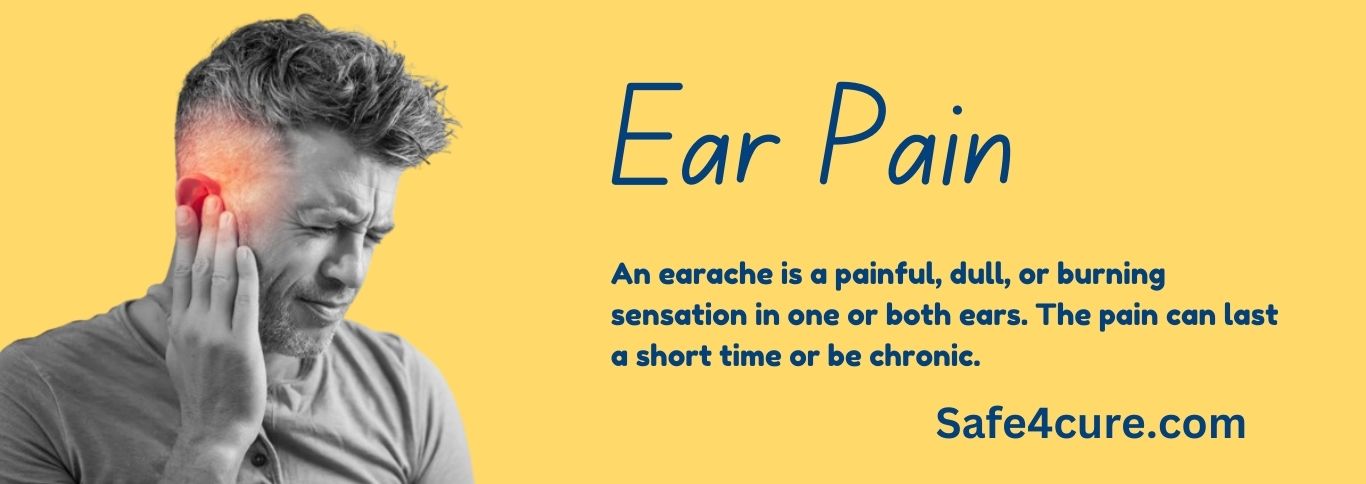
Ear pain, also known as Earache, refers to any form of discomfort, ache, or sharp pain that occurs inside or around the ear. It is a common symptom that can affect people of all ages — from infants to adults — and may range from mild irritation to severe throbbing pain that interferes with hearing and daily activities.
Ear pain can occur in one ear (unilateral) or both ears (bilateral) and may be constant or intermittent, depending on the underlying cause. Sometimes, the pain comes directly from the ear itself (primary ear pain), while in other cases, it originates from nearby areas such as the throat, teeth, jaw, or sinuses (referred or secondary ear pain).
Types of Ear Pain
1. Primary Ear Pain
This type of pain starts within the ear and is usually caused by conditions that directly affect the ear canal, eardrum, or middle ear.
Common causes include:
- Ear infections (Otitis media or Otitis externa)
- Earwax buildup
- Injury to the ear canal
- Pressure changes (barotrauma) during air travel or diving
2. Secondary (Referred) Ear Pain
In this case, the pain doesn’t actually come from the ear but is referred from another part of the body. This happens because nerves in the ear are connected to nearby structures such as the throat, jaw, and sinuses.
Common sources include:
- Throat infections (tonsillitis, pharyngitis)
- Jaw joint (TMJ) problems
- Dental infections or abscesses
- Sinus congestion or sinusitis
How Ear Pain Feels
The nature of ear pain can vary widely depending on its cause. People may experience:
- Sharp, stabbing, or throbbing pain
- Dull or aching discomfort
- A sensation of fullness or blockage in the ear
- Pain that worsens when chewing or swallowing
- Itching, burning, or tenderness around the ear canal
In some cases, ear pain may also be accompanied by other symptoms such as:
- Reduced hearing or muffled sounds
- Fluid or pus discharge
- Fever or sore throat
- Dizziness or balance problems
- Tinnitus (ringing in the ear)
Treating Ear Pain At Home
There are numerous actions you can take at home to lessen ear pain. To reduce ear pain, consider the following:
- Wrap the ear in a cool washcloth.
- Do not get the ear moist.
- To assist reduce ear pressure, sit up straight.
- Make use of over-the-counter ear drops.
- Ingest OTC painkillers.
- Gum chewing can help you decompress.
- Give a baby something to eat to help them relax.
What Are The Causes Of Ear Pain?
Adults are less prone to experience ear pain from an ear infection. Your teeth, for instance, could be the source of the ear pain you’re experiencing. Causes of ear pain may include:
- Inflammation of the jaw
- Temporary ear infection
- Recurring ear infection
- Ear damage from high-altitude pressure changes and other reasons
- Obstruction in the ear or earwax buildup
- Gaping eardrum hole
- Nasal infection
- Unwell throat
- Syndrome of the temporomandibular joint
- Decay in the teeth
What Is A Medical Treatment For Earaches?
Your doctor will recommend either eardrops or oral medications like Tapentadol Tablets. If you have an infection in your ears. Sometimes they’ll recommend both.
If your symptoms get better after taking a medicine, keep taking it. Until guarantee that the infection will entirely cure, you must take your prescription until the very end.
You may be prescribed wax-softening eardrops if a wax buildup is the source of your earache. They might trigger the wax’s natural removal. The physician may also use a technique known as ear washing to drain out the wax or suction equipment to remove it.
Can Ear Pain Be Prevented?
There are numerous causes of earaches. The good news is that there are precautions you may do to lower (Lower Back Pain) and your risk of getting an earache:
- To avoid experiencing barotrauma, cover your ears when flying.
- Carefully clean your ears. To clean your outer ear, use a swab rather than sticking a finger inside your ear canal.
- Your ears may suffer and develop painful ear infections as a result of upper respiratory diseases.
Prevention of Ear Pain
Although ear pain cannot always be avoided, there are some things you can do to lower your risk of ear infections and injuries.
When swimming, taking a shower, or bathing, keep all foreign objects out of your ears and always dry them afterward. A bathing cap, earplugs, or swim molds that are specially made for you can also be worn while swimming.
Quit smoking if you do, and try to stay away from secondhand smoke, which has been connected to infant ear infections.
Getting vaccinated against the flu each year is a good way to stay healthy. Proper up arrow since this bacteria can cause middle ear infections, children should also receive the pneumococcal vaccine.
What can I expect if my child has an ear pain?
Your child may experience ear pain for numerous causes. Some ear pain disappears without treatment. If your child’s ear pain persists for more than two days or you notice any additional symptoms, like a fever, chills, or congestion, call a physician.
How do I take care of my ear pain?
Ear pain can be brought on by a variety of situations, including infections, changes in air pressure, and diseases that damage your ears. Once you are aware of the root of your ear pain, speak with your physician about preventative measures you may implement.
What questions should I ask my doctor about ear pain?
Here are some queries you may have if you have ear pain:
- What brought on my ear pain?
- Is the pain in my ear a symptom of something else?
- How do you resolve the issue?
- How do I avoid getting ear pain?
How do healthcare providers treat ear pain?
The primary focus of providers is identifying and treating the root of ear pain. For instance, your doctor might suggest an over-the-counter pain reliever such as Aspadol 100mg. If your kid has an ear infection lessen ear pain.
FAQs on Ear Pain
Ans: Ear pain can result from several conditions, including ear infections (middle or outer ear), sinus congestion, allergies, earwax buildup, throat infections, jaw (TMJ) disorders, or sudden changes in air pressure.
Ans: Yes. Although ear pain often occurs in one ear, conditions such as sinus infections or allergies can affect both ears simultaneously.
Ans: If you experience symptoms like fever, fluid drainage, hearing loss, or a feeling of fullness or pressure in the ear, it could be due to an infection. A doctor can confirm the diagnosis through an ear examination.
Ans: The causes can be similar, but ear infections are more common in children due to smaller and more horizontal Eustachian tubes. Adults often experience ear pain due to sinus problems, jaw tension, or allergies.
Ans: Yes. Sinus infections can cause pressure in the ear area, and throat infections (such as tonsillitis or sore throat) can lead to referred pain in the ear due to shared nerve pathways.