
In today’s digital world, screen time before bed has become a daily habit, with many people using phones, tablets, laptops, and televisions late into the night. Activities such as streaming shows, gaming, or scrolling through social media may seem harmless. Still, they can quietly disrupt natural sleep patterns and even contribute to insomnia and other sleep disorders. Bright screens, blue light exposure, and mentally stimulating content delay relaxation, shift the body’s sleep–wake cycle, and reduce overall sleep quality. Over time, excessive screen use at night can make it harder to fall asleep and stay asleep, increasing the risk of chronic sleep problems and long-term sleep disorders.
How Screens Affect Sleep
Blue Light and Melatonin
Electronic screens like phones, tablets, and TVs give off blue light. Our brain thinks this blue light is sunlight. Because of this, the body makes less melatonin, a hormone that helps us feel sleepy. When melatonin is low, it becomes harder to fall asleep, and we may go to bed later than usual. If we do not sleep well, we can feel very sleepy during the day, have trouble paying attention, feel cranky, and not do our work properly.
Mental and Emotional Stimulation
Engaging content keeps the brain alert. Fast-paced videos, games, and emotional social media interactions increase cognitive arousal, making it difficult to unwind before bed.
Circadian Rhythm Disruption
Late-night screen use interferes with the circadian rhythm the body’s natural sleep–wake cycle. Disruption to this rhythm leads to irregular, lighter, and less restorative sleep.
How Much Screen Time Is Too Much Before Bed?
Spending more than one hour in front of a bright screen close to bedtime is generally excessive. Extended exposure delays sleepiness and keeps the brain in an alert state. Sleep experts recommend reducing screen use at least 60–90 minutes before bed. Lowering brightness and using warm light settings can help, but stopping screen use is most effective.
Do Web Series and Movies Affect Sleep?
Binge-Watching and Sleep Loss
Autoplay features and long episodes encourage binge-watching. Watching “one more episode” often pushes bedtime later, reducing total sleep duration and contributing to sleep debt.
Reduced Sleep Quality
Late-night viewing can interfere with deep, restorative sleep stages. Even when sleep occurs, it may be lighter and more fragmented, leading to morning fatigue and reduced focus.
How Technology Disrupts Sleep
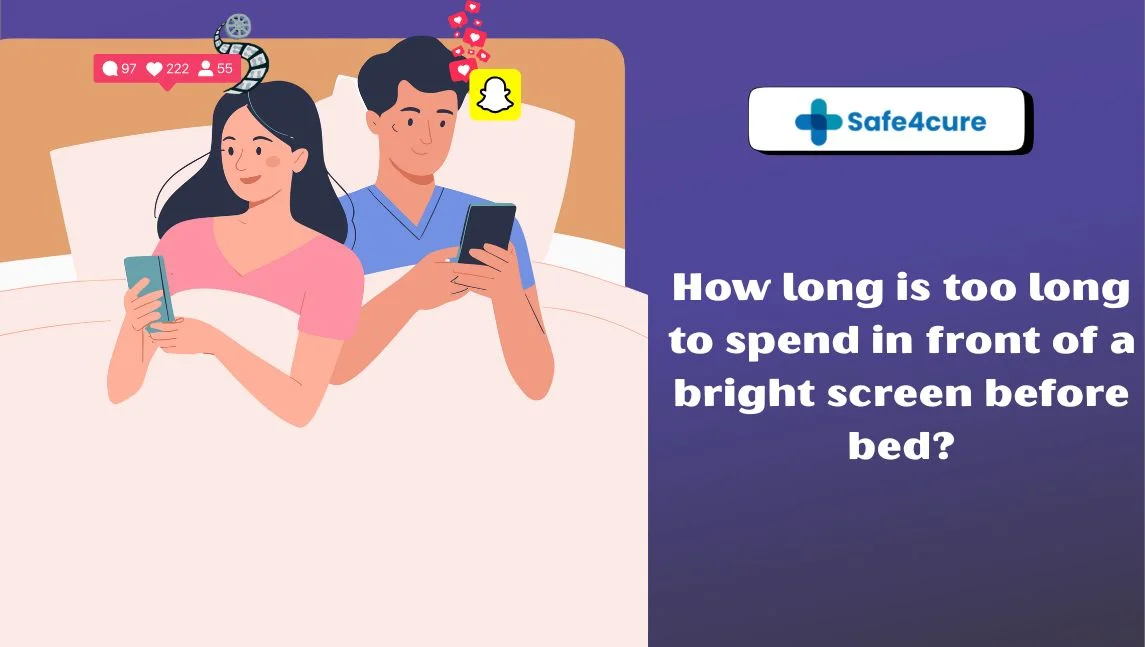
Technology affects sleep through multiple pathways. Blue light delays melatonin release, stimulating content increases alertness, and late-night device use shortens total sleep time. Over time, persistent sleep disruption has been linked to various health risks, and research continues to explore its broader long-term effects. Limiting nighttime technology use is a key part of maintaining healthy sleep patterns.
Can Blue Light Filters Help Sleep?
Blue light–blocking tools, such as night mode settings, screen filters, and amber or blue-blocking glasses, can reduce melatonin suppression. These tools may support easier sleep onset, especially for people with irregular schedules. They are most effective when combined with reduced screen time before bed.
Tips for an Electronic-Free Bedtime Routine
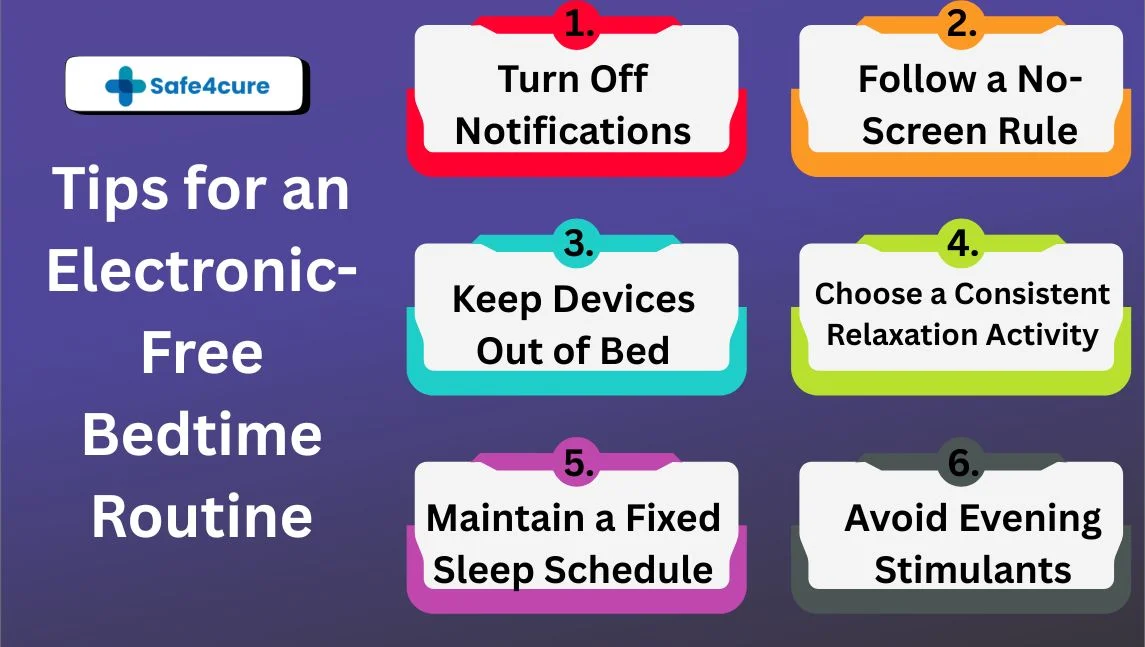
- Turn Off Notifications: Silencing alerts prevents sudden interruptions that reactivate the brain.
- Follow a No-Screen Rule: Avoid screens 60–90 minutes before bedtime to allow melatonin levels to rise.
- Keep Devices Out of Bed: Reserving the bed for sleep strengthens the mental association with rest.
- Choose a Consistent Relaxation Activity: Meditation, gentle stretching, or breathing exercises signal the body to wind down.
- Maintain a Fixed Sleep Schedule: Going to bed and waking up at the same time each day supports circadian alignment.
- Avoid Evening Stimulants: Caffeine, nicotine, and alcohol can interfere with sleep onset and depth.
Screen-Free Alternatives Before Bed
- Replacing screen time with calming activities helps the mind relax naturally:
- Reading a book or magazine in dim light
- Gentle stretching or yoga
- Journaling or drawing
- Listening to calm music or soothing podcasts
- Dimming lights and using warm lighting
Sleep Hygiene Best Practices
Good sleep hygiene involves creating an environment and routine that support consistent, restorative sleep. Removing technology from the bedroom, dimming lights in the evening, and maintaining regular sleep times can improve sleep duration, depth, and overall quality.
FAQs
Ans: More than one hour of screen use before bedtime can delay sleep. Limiting exposure 60–90 minutes before bed is recommended.
Ans: Blue light suppresses melatonin and signals the brain to stay alert.
Ans: Stimulating content increases alertness and can reduce deep sleep.
Ans: They can reduce light exposure, but they work best when screen time is also limited.
Ans: Reading, stretching, journaling, calming audio, and breathing exercises support natural relaxation.