
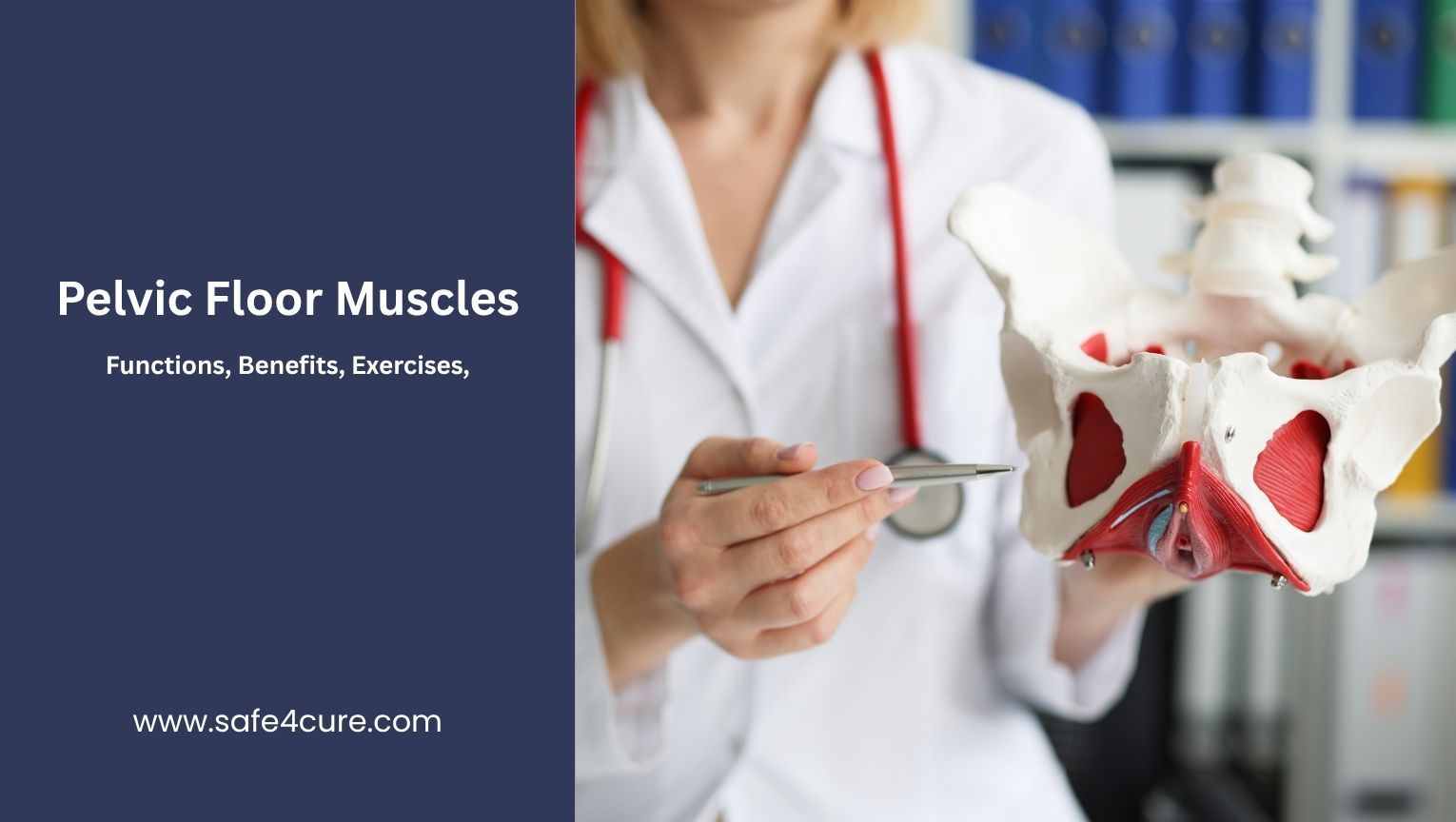
The pelvic floor muscles are one of the most important yet often ignored muscle groups in the human body. These muscles support vital organs, control bladder and bowel movements, and play a key role in sexual health and core stability. When they are strong and functioning properly, most people don’t even notice them. However, when they become weak or tight, they can lead to discomfort, incontinence, and other health issues. Understanding pelvic floor muscles and how to keep them healthy is essential for maintaining overall well-being and quality of life.
What Are Pelvic Floor Muscles?
The pelvic floor muscles are a group of muscles and connective tissues that form a supportive sling at the bottom of the pelvis. They stretch from the pubic bone at the front to the tailbone at the back and act like a hammock that holds important organs in place. In women, these muscles support the bladder, uterus, and bowel, while in men they support the bladder and bowel.
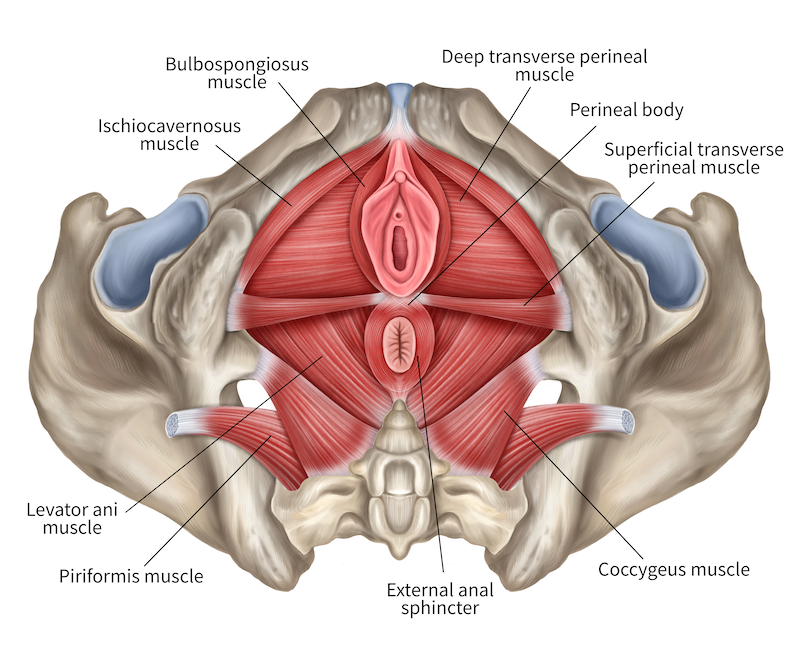
These muscles are responsible for controlling the release of urine and stool, as well as contributing to sexual function. They also play an important role in stabilizing the core and maintaining proper posture. Because they are involved in so many essential functions, any weakness or dysfunction can significantly affect daily life.
How Pelvic Floor Muscles Work
The pelvic floor muscles work by contracting and relaxing at the right time. When these muscles contract, they help hold urine and stool in the body. When they relax, they allow the body to release waste. This coordinated action is essential for normal bladder and bowel control.
In addition to this, the pelvic floor muscles work closely with other core muscles, including the abdominal and back muscles. Together, they provide stability to the spine and pelvis, which is important for movement, balance, and posture. Proper functioning of these muscles ensures smooth coordination between different body systems.
Common Problems Related to Pelvic Floor Muscles
Problems with pelvic floor muscles usually occur when they become too weak or too tight. Weak pelvic floor muscles may lead to conditions such as urinary incontinence, where a person may leak urine while coughing, sneezing, or exercising. It can also cause reduced bowel control and decreased sexual satisfaction.
On the other hand, overly tight or overactive pelvic floor muscles can lead to pelvic pain, difficulty in passing urine, and discomfort during sexual activity. Another common issue is pelvic organ prolapse, where the muscles are no longer strong enough to support the organs, causing them to shift or drop from their normal position.
Causes of Pelvic Floor Muscle Problems
Several factors can contribute to pelvic floor muscle dysfunction. Pregnancy and childbirth are among the most common causes, as they put significant pressure on these muscles. Aging is another factor, as muscle strength naturally decreases over time.
Obesity can increase pressure on the pelvic area, weakening the muscles. Chronic coughing, often caused by smoking or respiratory conditions, can also strain the pelvic floor. Additionally, heavy lifting, constipation, and repeated straining during bowel movements can damage these muscles. Surgeries in the pelvic region may also affect their function.
Benefits of Strong Pelvic Floor Muscles
Strong pelvic floor muscles provide numerous health benefits. They help maintain proper bladder and bowel control, reducing the risk of leakage and accidents. They also support internal organs, preventing conditions like prolapse.
In addition, strong pelvic muscles improve sexual health by enhancing sensation and performance. They also contribute to better core strength, which supports posture and reduces the risk of lower back pain. Overall, maintaining strong pelvic floor muscles improves both physical comfort and confidence.
Symptoms of Pelvic Floor Dysfunction
Pelvic floor dysfunction can present itself in different ways depending on the underlying issue. Common symptoms include frequent urges to urinate, difficulty controlling urine flow, and a feeling of incomplete bladder emptying. Some individuals may experience constipation or difficulty with bowel movements.
Pain in the pelvic region or lower back is also a common symptom. In some cases, individuals may feel discomfort or pain during sexual activity. These symptoms should not be ignored, especially if they persist over time, as they may indicate an underlying problem that requires medical attention.
Pelvic Floor Exercises (Kegel Exercises)
One of the most effective ways to strengthen pelvic floor muscles is through Kegel exercises. These exercises involve tightening and relaxing the muscles that control urination. They are simple to perform and can be done anywhere without any equipment.
To perform Kegel exercises, you first need to identify the correct muscles, which are the same muscles used to stop urination midstream. Once identified, tighten these muscles and hold the contraction for a few seconds before relaxing. Repeating this process regularly helps improve muscle strength and control.
Consistency is key when performing these exercises. Over time, they can significantly improve bladder control, reduce symptoms of weakness, and enhance overall pelvic health.
Prevention Tips for Pelvic Floor Problems
Maintaining healthy pelvic floor muscles requires a proactive approach. Staying physically active helps keep muscles strong and flexible. Maintaining a healthy weight reduces unnecessary pressure on the pelvic region.
Avoiding heavy lifting and practicing proper techniques when lifting objects can prevent strain. Staying hydrated and consuming a fiber-rich diet helps prevent constipation, which can weaken the pelvic floor over time.
Regularly practicing pelvic floor exercises is one of the best ways to prevent problems before they start. Small lifestyle changes can make a big difference in long-term pelvic health.
Treatment Options for Pelvic Floor Disorders
Treatment for pelvic floor disorders depends on the severity and cause of the problem. In many cases, lifestyle changes and exercises are enough to improve symptoms. Pelvic floor physical therapy is often recommended to help strengthen and retrain the muscles.
In some situations, medications may be prescribed to manage symptoms such as bladder control issues. For more severe conditions, such as pelvic organ prolapse, surgical treatment may be necessary. Early diagnosis and treatment can significantly improve outcomes and quality of life.
Conclusion
The pelvic floor muscles are essential for maintaining bladder control, supporting internal organs, and ensuring overall body stability. When these muscles are weak or dysfunctional, they can lead to various health issues that affect daily life. However, with proper care, regular exercise, and healthy lifestyle habits, these problems can often be prevented or managed effectively. Taking steps to strengthen and maintain pelvic floor health can greatly improve comfort, confidence, and quality of life.
FAQs
Ans: Pelvic floor muscles are muscles that support pelvic organs and control bladder and bowel functions.
Ans: Yes, they can be strengthened through regular Kegel exercises and lifestyle changes.
Ans: Weak muscles can lead to urine leakage, poor bowel control, and reduced sexual function.
Ans: Yes, they are quite common, especially in women after childbirth and older adults.
Ans: With consistent exercise, improvements can be seen within a few weeks to a few months.