
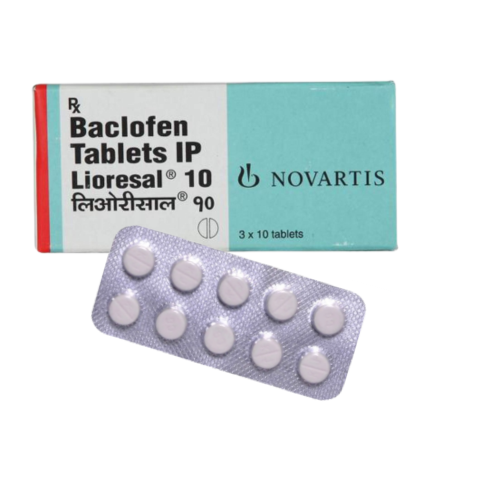
Description
Lioresal 10 mg is a prescription medication widely used to treat muscle spasticity, especially associated with neurological disorders like Multiple Sclerosis (MS) and spinal cord injuries. It contains Baclofen, a centrally acting skeletal muscle relaxant, which works by inhibiting nerve signals responsible for muscle stiffness and spasms.
In this guide, we’ll cover everything you need to know about Lioresal 10 mg, including its mechanism of action, indications, dosage guidelines, side effects, precautions, and more.
What is Lioresal 10 mg?
Lioresal 10 mg is a brand-name oral tablet that contains 10 mg of Baclofen as its active ingredient. It belongs to the class of medications known as GABA (gamma-aminobutyric acid) agonists. By mimicking GABA activity, Baclofen reduces the hyperactive reflexes that cause muscle spasms, helping to restore mobility and reduce discomfort.
what is Lioresal used for
Lioresal 10 mg is primarily prescribed for:
- Multiple Sclerosis (MS) – to reduce muscle spasticity and improve motor control.
- Spinal Cord Lesions or Injuries – to manage painful muscle rigidity or uncontrolled spasms.
- Cerebral Palsy (off-label use) – to relieve muscle tightness and improve posture.
- Other Neurological Conditions – where muscle spasticity is a major symptom (e.g., brain injury, stroke recovery).
How Lioresal 10 mg Works
Baclofen, the active component of Lioresal, works by activating GABA-B receptors in the spinal cord and brain. This inhibits the transmission of nerve signals that cause excessive muscle contraction. As a result, it:
- Reduces muscle tone
- Minimizes muscle spasms
- Improves muscle flexibility
- Eases movement and mobility
By calming overactive nerves, Lioresal effectively treats conditions where the muscles remain involuntarily contracted due to damaged nerves or brain pathways.
Dosage and Administration
Lioresal 10 mg tablets are typically taken orally with water, with or without food. Dosage varies based on the individual’s condition, age, weight, and response to therapy. Always follow your doctor’s prescription strictly.
General Dosage Guidelines:
- Starting Dose: Usually 5 mg three times daily.
- Maintenance Dose: Gradually increased to 10 mg three times daily.
- Maximum Dose: Should not exceed 80 mg per day in divided doses.
Your physician may start you at a lower dose and slowly increase it to avoid side effects like dizziness or sedation.
Missed Dose and Overdose
Missed Dose: Take the missed dose as soon as you remember. If it’s almost time for the next dose, skip the missed dose. Do not double dose to make up for it.
Overdose: An overdose of Baclofen can be life-threatening. Symptoms include:
- Confusion
- Respiratory depression
- Weak muscle tone
- Loss of consciousness
Seek immediate medical attention if overdose is suspected.
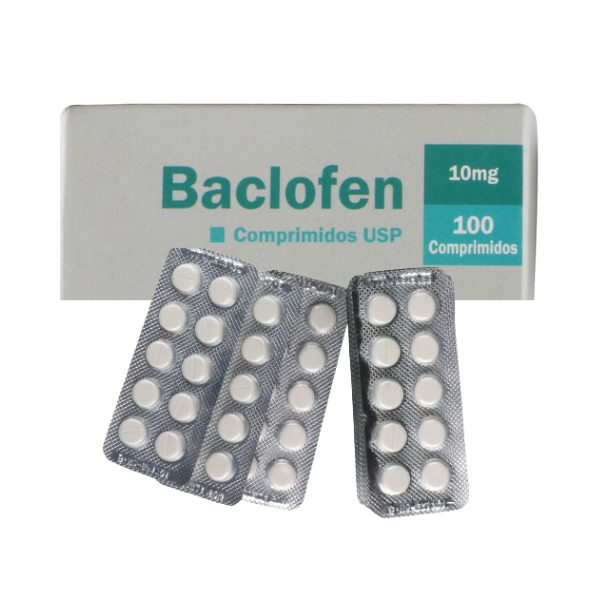
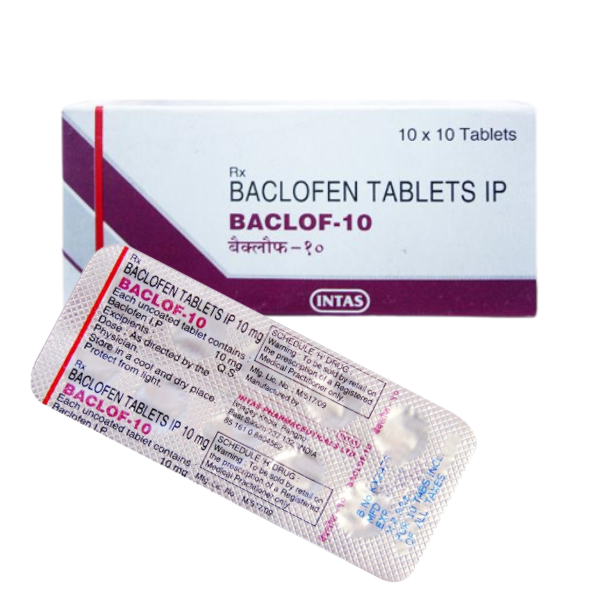
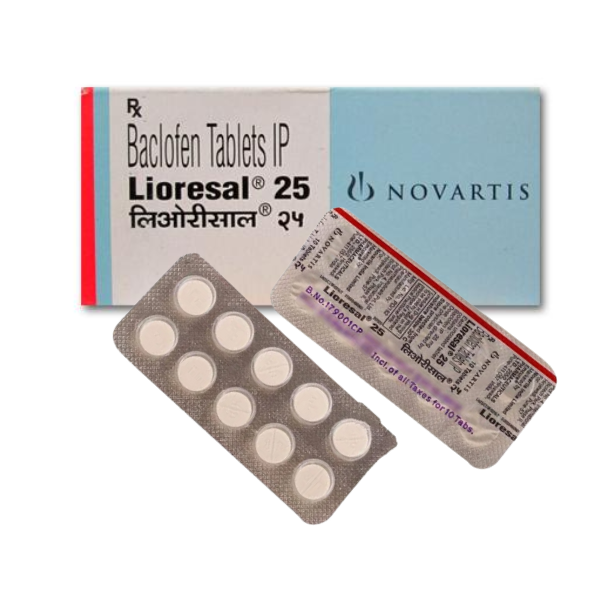
Substiutes and strengths
Side Effects of Lioresal 10 mg
Like all medications, Lioresal 10 mg may cause some side effects. Most are mild and improve with continued use or dose adjustment.
Common Side Effects:
- Drowsiness
- Dizziness
- Weakness or fatigue
- Headache
- Nausea
Less Common Side Effects:
- Insomnia
- Dry mouth
- Urinary retention or frequency
- Low blood pressure
- Muscle weakness
Serious Side Effects:
- Seizures
- Hallucinations
- Severe allergic reactions (rash, itching, swelling)
- Mental/mood changes (depression, suicidal thoughts)
If any serious effects occur, stop the medication and contact your healthcare provider immediately.
Precautions Before Using Lioresal 10 mg
Before starting treatment with Lioresal, let your doctor know if you:
- Have a history of epilepsy or seizures
- Suffer from kidney or liver disease
- Have diabetes (Baclofen may affect blood sugar levels)
- Are pregnant or planning to become pregnant
- Are breastfeeding
Pregnancy and Breastfeeding:
- Lioresal is classified as Pregnancy Category C. It should only be used if the potential benefits outweigh the risks.
- Baclofen can pass into breast milk. Use with caution during breastfeeding.
Drug Interactions
Lioresal 10 mg may interact with other medications, leading to increased side effects or reduced effectiveness.
Common Interacting Drugs:
- CNS depressants like alcohol, opioids, or sedatives (increased drowsiness)
- Antihypertensive drugs (can increase hypotensive effects)
- Antidepressants (risk of additive CNS depression)
- NSAIDs (may increase renal toxicity risk in combination)
Always inform your doctor about all medications, supplements, or herbal remedies you are taking.
Alcohol and Lioresal
Avoid alcohol while taking Lioresal 10 mg. Both substances depress the central nervous system and can intensify drowsiness, confusion, and dizziness, increasing the risk of accidents and injuries.
Withdrawal Symptoms
Do not suddenly stop taking Lioresal without consulting your physician, especially if you’ve been using it long-term.
Abrupt discontinuation may cause:
- Hallucinations
- Seizures
- High fever
- Muscle rigidity
- Rebound spasticity
Your doctor will recommend a gradual dose reduction to prevent withdrawal symptoms.
Storage Instructions
- Store Lioresal 10 mg at room temperature (15°C to 30°C)
- Keep away from moisture, heat, and direct sunlight
- Keep out of reach of children and pets
Do not use expired medication and dispose of unused tablets safely as per local regulations.
Conclusion
Lioresal 10 mg (Baclofen) is a powerful and effective treatment for muscle spasticity, especially due to neurological disorders. It improves quality of life by reducing involuntary muscle contractions, enhancing mobility, and easing pain.

Reviews
There are no reviews yet.