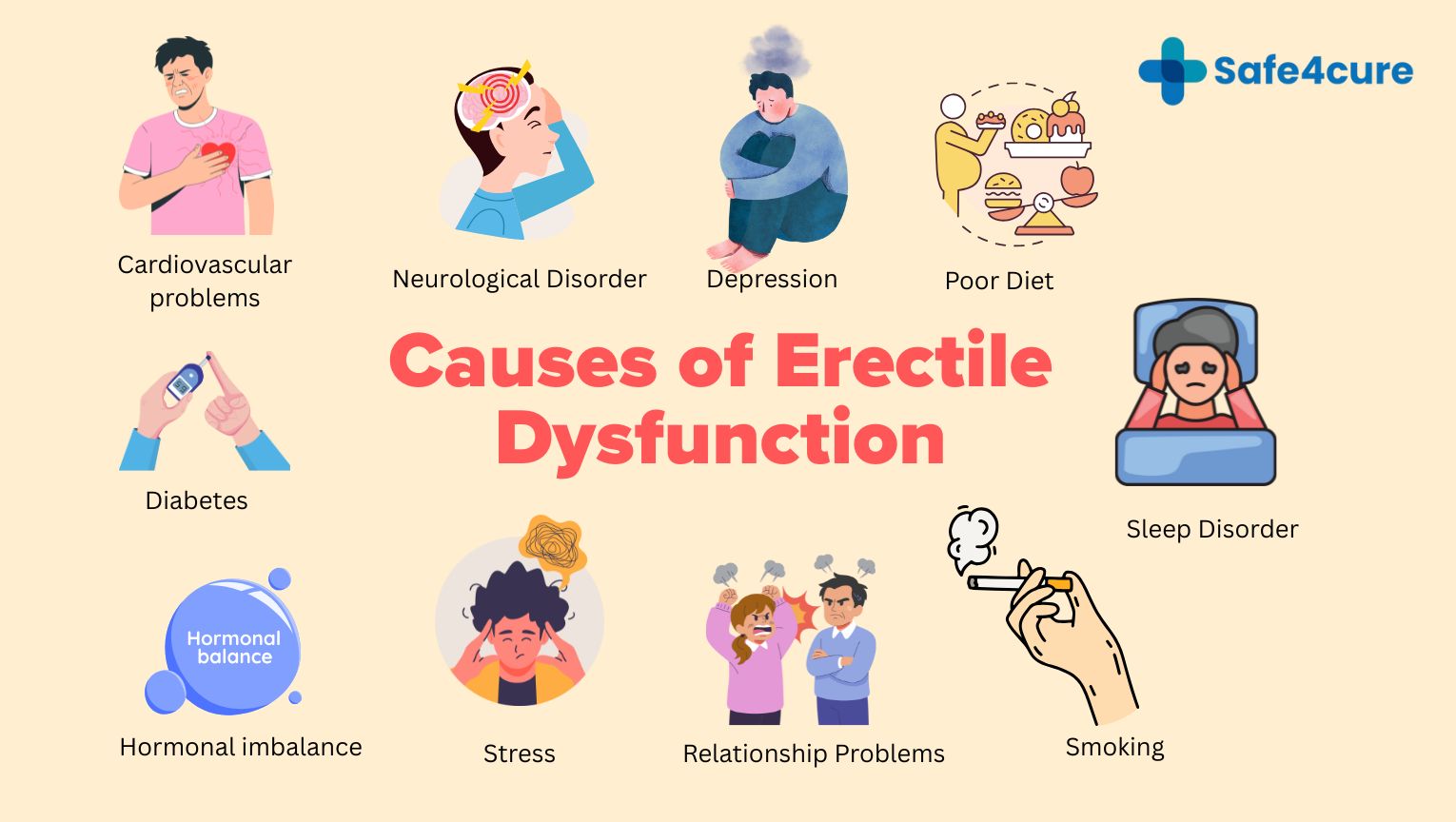
Erectile dysfunction (ED) is a common condition that affects millions of men across the United States, from New York to Los Angeles and beyond. While it’s often discussed in whispers, understanding the causes of erectile dysfunction is key to managing it effectively and improving overall sexual health.
ED, also known as impotence in males, refers to the consistent inability to achieve or maintain a firm penile erection sufficient for satisfying sexual activity. Although it becomes more common with age, younger men in cities like Chicago, Houston, and Miami are also experiencing it due to lifestyle and psychological factors.
Let’s uncover the hidden reasons for erectile dysfunction, its major risk factors, and what you can do to prevent and treat it.
1. Physical Factors Behind Erectile Dysfunction
Most cases of ED are linked to physical conditions that affect blood flow, nerves, or hormones. Some of the major factors behind erectile dysfunction include:
a. Cardiovascular Problems
Healthy blood flow is essential for an erection. Conditions like high blood pressure, high cholesterol, and atherosclerosis (narrowing of arteries) can reduce circulation to the penis. Men in urban areas like Houston and Miami, where heart disease rates are rising, often face this issue.
b. Diabetes
Diabetes damages blood vessels and nerves that control erection. Studies show that men with diabetes are up to three times more likely to experience impotence compared to men without diabetes.
c. Hormonal Imbalances
Low testosterone is another hidden cause of weak erection. Hormone changes can lower sexual drive, cause fatigue, and lead to loss of libido.
d. Neurological Disorders
Conditions such as multiple sclerosis, Parkinson’s disease, and spinal cord injuries interfere with nerve signals between the brain and penis, leading to penile erection disorders.
e. Peyronie’s Disease
This condition causes scar tissue buildup inside the penis, resulting in curved or painful erections. It’s one of the overlooked reasons for erectile dysfunction that can also impact self-esteem and poor sex life.
2. Psychological Causes of Erectile Dysfunction
While physical factors play a big role, emotional and psychological issues can also trigger sexual impotence.
a. Stress and Anxiety
Men dealing with work pressure in fast-paced cities like New York or Los Angeles often face chronic stress. This leads to tension, reduced blood flow, and a drop in sexual feelings.
b. Relationship Problems
Conflicts, communication gaps, or a lack of emotional connection can all cause relationship issues that affect intimacy. Over time, this emotional distance leads to poor sexual performance and impotence.
c. Depression and Low Self-Esteem
Mental health strongly influences sexual health. Depression can decrease sexual desire and make it harder to maintain an erection.
d. Performance Anxiety
Worrying about sexual performance can make matters worse. Men who fear premature ejaculation or failure to perform may experience a self-fulfilling cycle of anxiety and ED.
3. Lifestyle Habits That Contribute to Erectile Dysfunction
Everyday habits can significantly impact your sexual performance and increase the causes of weak erection.
a. Smoking and Alcohol
Smoking restricts blood flow by damaging blood vessels, while excessive alcohol dulls the nervous system. Both reduce erection strength and contribute to impotence in males.
b. Lack of Exercise
A sedentary lifestyle contributes to obesity, poor circulation, and hormonal imbalance. Regular physical activity, including Kegel exercises, can improve blood flow and strengthen pelvic muscles, helping to prevent erectile dysfunction naturally.
c. Poor Diet
Diets high in processed foods, sugars, and fats increase cholesterol and blood pressure—two major weak erection causes. Eating fruits, vegetables, and omega-3 fatty acids supports better sexual health.
d. Substance Abuse
Drugs like cocaine, marijuana, and opioids interfere with nerve signals and hormone production, leading to sexual impotence and reduced sexual feelings.
4. Medical Conditions and Medications That Affect Erections
Certain medications can unintentionally cause erectile dysfunction.
a. Antidepressants and Antihypertensives
Drugs used to manage depression, anxiety, or blood pressure may affect sexual function. Always consult your doctor before making any changes to your medication.
b. Prostate Health Problems
Surgery or radiation therapy for prostate cancer may lead to temporary or long-term penile erection disorders.
c. Sleep Disorders
Poor sleep disrupts testosterone levels and blood flow, resulting in low sex drive and loss of libido.
5. How to Treat Impotence and Improve Sexual Health
The good news is that ED is treatable at almost any age. The right approach depends on identifying the root causes of erectile dysfunction.
a. PDE-5 Inhibitors
Medications like oral phosphodiesterase-5 inhibitors (such as sildenafil, tadalafil, and vardenafil) are the most common treatments. They work by increasing blood flow to the penis, helping men regain normal erections.
Common PDE-5 Inhibitor Medications
- Sildenafil
Usually taken about 30–60 minutes before sexual activity. Its effects last for about 4–6 hours.
Works best on an empty stomach. - Tadalafil
Known for its long duration of action (up to 36 hours). It can be taken daily in smaller doses or as needed before sexual activity.
Often referred to as the “weekend pill.” - Vardenafil
Similar to sildenafil in action but may work better in some men with diabetes.
Taken about 30–60 minutes before sex, lasting for up to 8 hours. - Avanafil
A newer PDE-5 inhibitor with a faster onset of action (as early as 15 minutes) and fewer side effects for some men.
b. Vacuum Erection Devices
These non-invasive devices create suction to draw blood into the penis and maintain an erection using a tension ring.
c. Lifestyle Changes
Combining medication with healthy habits produces the best results. Regular exercise, quitting smoking, reducing alcohol intake, and practicing Kegel exercises can make a big difference.
d. Counseling and Therapy
For those whose relationship issues or stress contribute to ED, psychological counseling or sex therapy can restore confidence and improve intimacy.
6. Preventing Erectile Dysfunction: What You Can Do
Prevention is often simpler than treatment. Men across the U.S., from busy professionals in New York to active individuals in Miami, can take steps to prevent erectile dysfunction naturally.
- Maintain a balanced diet rich in antioxidants and fiber.
- Stay physically active and include pelvic floor exercises.
- Get regular sleep to support testosterone production.
- Manage stress through mindfulness or therapy.
- Avoid excessive alcohol and quit smoking.
- Get regular health checkups to detect early signs of diabetes or heart disease.
7. When to See a Doctor
If you’re consistently experiencing weak erections, low sex drive, or loss of libido, it’s time to seek medical advice. Sometimes, ED is the first sign of an underlying condition like diabetes or heart disease. Early diagnosis can prevent complications and restore your sexual performance.
Men in major U.S. cities have easy access to specialized urologists and men’s health clinics. Don’t let embarrassment delay treatment — seeking help early can restore both confidence and satisfaction in your sex life.
Conclusion
Understanding the causes of erectile dysfunction is the first step toward taking control of your sexual health. Whether it’s due to stress, hormonal imbalance, poor lifestyle choices, or underlying medical conditions, there are effective ways to manage and treat impotence.
Modern medicine, including PDE-5 inhibitors along with lifestyle changes like Kegel exercises and stress reduction, can help men regain a fulfilling sexual life.
If you’re in the United States—whether in New York, Los Angeles, Chicago, Houston, or Miami—remember that impotence is treatable. The key is to recognize the symptoms early, talk to your healthcare provider, and take action toward a healthier, more confident you.
FAQs on Causes of Erectile Dysfunction
1. What are the main causes of erectile dysfunction?
The primary causes of erectile dysfunction include poor blood flow, diabetes, heart disease, hormonal imbalances, stress, and certain medications. Lifestyle factors like smoking, obesity, and alcohol use also increase the risk. Both physical and psychological factors often work together to cause ED.
2. Can stress or anxiety cause erectile dysfunction?
Yes. Stress, anxiety, and depression can interfere with brain signals that trigger sexual arousal and erection. Performance anxiety, relationship issues, or constant pressure at work can all lead to sexual impotence. Managing stress through therapy or relaxation techniques can help.
3. How can I prevent erectile dysfunction naturally?
You can prevent erectile dysfunction by maintaining a healthy lifestyle—exercising regularly, eating a balanced diet, getting enough sleep, and avoiding smoking or excessive drinking. Doing Kegel exercises can also strengthen pelvic muscles and improve penile erection control.
4. What are PDE-5 inhibitors, and how do they treat impotence?
PDE-5 inhibitors (such as sildenafil, tadalafil, and vardenafil) are oral phosphodiesterase-5 inhibitors that help increase blood flow to the penis. They are the first-line treatment for impotence in males and help men achieve and maintain erections during sexual activity.
5. What should I do if I have a weak erection or low sex drive?
If you’re experiencing weak erections, loss of libido, or low sex drive, talk to a doctor. They may recommend blood tests, lifestyle changes, or PDE-5 inhibitors. Addressing underlying health or relationship issues can also improve results.
6. Can Peyronie’s disease cause erectile dysfunction?
Yes. Peyronie’s disease leads to scar tissue formation in the penis, which causes curvature, pain, and difficulty maintaining an erection. It’s one of the hidden factors behind erectile dysfunction and may require medical or surgical treatment depending on severity.